A busy packaging floor has its own rhythm. Products arrive. Cases wait. Lines keep moving. Everything depends on timing. Years ago, many facilities relied heavily on manual labour to keep that rhythm going. Today, automation has changed the picture. Faster production goals and changing customer expectations have encouraged manufacturers to rethink packaging strategies. Modern robotic solutions help create smoother movement from one stage to the next. They bring consistency where delays once appeared and help facilities maintain performance without making operations feel overly complicated.
New Demands Shape Packaging Lines
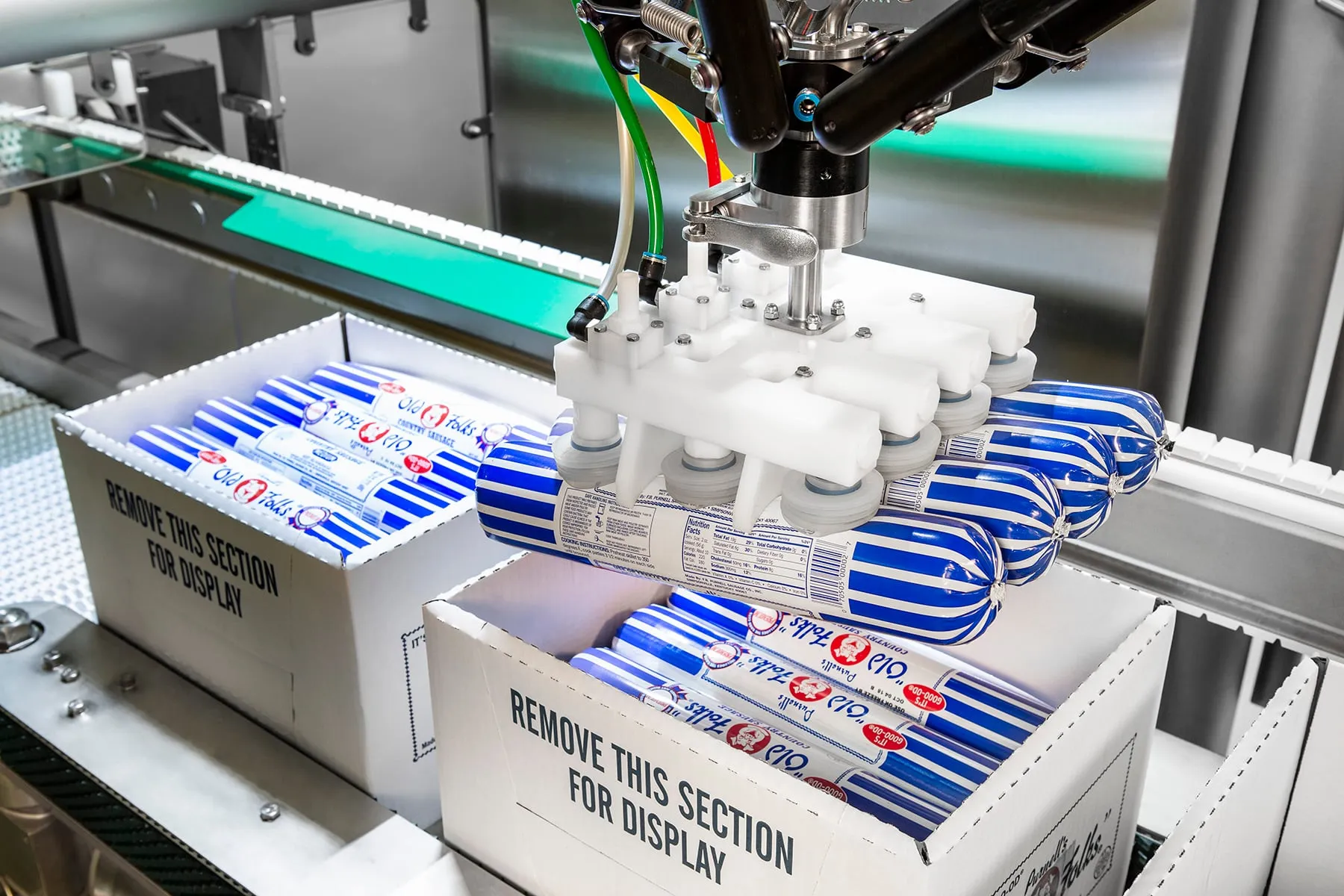
Consumer markets move quickly. One week brings a familiar product. The next introduces a new size or package design. Packaging equipment must adapt to those changes without slowing production. This is where Robotic Case Packaging Systems have become increasingly valuable. These solutions organise products efficiently while helping manufacturers respond to shifting requirements. Instead of relying on lengthy adjustments between runs, facilities gain equipment designed to support flexibility. The ability to handle changing demands helps businesses stay competitive while maintaining steady packaging performance.
Fast Decisions Improve Daily Output
Packaging success is often built on small moments. A product arrives. It must be moved. Another follows immediately behind it. Delays can spread across an entire line surprisingly fast. Automated systems help reduce those interruptions by making rapid and reliable movements throughout production. Consistent product handling creates a smoother flow that supports higher output levels. What seems like a small improvement during a single shift can produce meaningful gains over time. Those gains often contribute directly to stronger operational efficiency.
Flexible Movement Creates Advantages
Not every product looks the same. Some are lightweight. Others require careful positioning before entering a shipping case. Equipment must manage these differences without losing accuracy. Modern pick and place robots are designed to handle a wide range of packaging situations while maintaining dependable performance. Their flexibility allows manufacturers to manage product variety more effectively. This capability becomes especially important when facilities serve multiple customers or package different product types throughout the day. Adaptability supports growth without creating unnecessary production challenges.
Consistency Builds Greater Confidence
A packaging process works best when outcomes remain predictable. Cases need to be packed correctly. Products must arrive in the proper arrangement. Warehouse operations depend on that consistency. Automated robotic systems help achieve these goals by performing the same tasks with dependable precision. Teams spend less time correcting mistakes and more time focusing on overall production quality. Reliable packaging also helps strengthen relationships with distributors and retailers who expect products to arrive ready for efficient handling and storage.
Looking Beyond Current Production Needs
Many companies invest in automation because they are thinking ahead. Future demand may require higher output levels and greater operational flexibility. Equipment selected today should continue supporting those goals tomorrow. Robotic packaging technology provides a strong foundation for long-term planning. Facilities gain systems capable of adapting as production requirements evolve. Instead of constantly reacting to change, manufacturers can prepare for growth with solutions designed to support both present performance and future opportunities in an increasingly competitive marketplace.
Conclusion
Packaging operations continue changing as manufacturers pursue higher efficiency and stronger production performance. Robotic solutions help create smoother workflows, support accuracy, and provide flexibility for future growth. Facilities that invest in modern automation often gain valuable advantages across multiple areas of production. Businesses interested in advancing packaging capabilities can discover practical solutions that support reliable operations and long-term manufacturing success.